

Faking It
On the roles we feel compelled to play, even in the privacy of our own minds

When I read through old diaries, a lot of things leap out: The painful insecurities. The overwrought angst. The absurdities of life. But one epiphany plagues me like no other: Even in my most private musings, I struggled to let my guard down. Remove all the masks. Stop fucking performing.
It’s a problem I’m still working on, even at this supposedly enlightened stage of life. Especially as time marches on and I feel the exhaustion of the roles I’ve played sucking the energy right out of me, way more than old age ever could.
As a Gen-Xer in particular, I feel like I’ve had a false concept of success shoved down my throat for decades, measured by job title, income level, social status, clothing size…productivity, productivity, productivity. AND THEN? I get the wellness industry (of which I have tragically been a part), swooping in to sell me an overpriced antidote.
Of course, the first step in recovery is admitting I have a problem, so: Hi, my name is Alexa, and I’m full of shit. This Substack, among other things, is my rehab. My attempt to detox from outside expectations, real or imagined. Even if it also qualifies as a wellness expense, I suppose...?
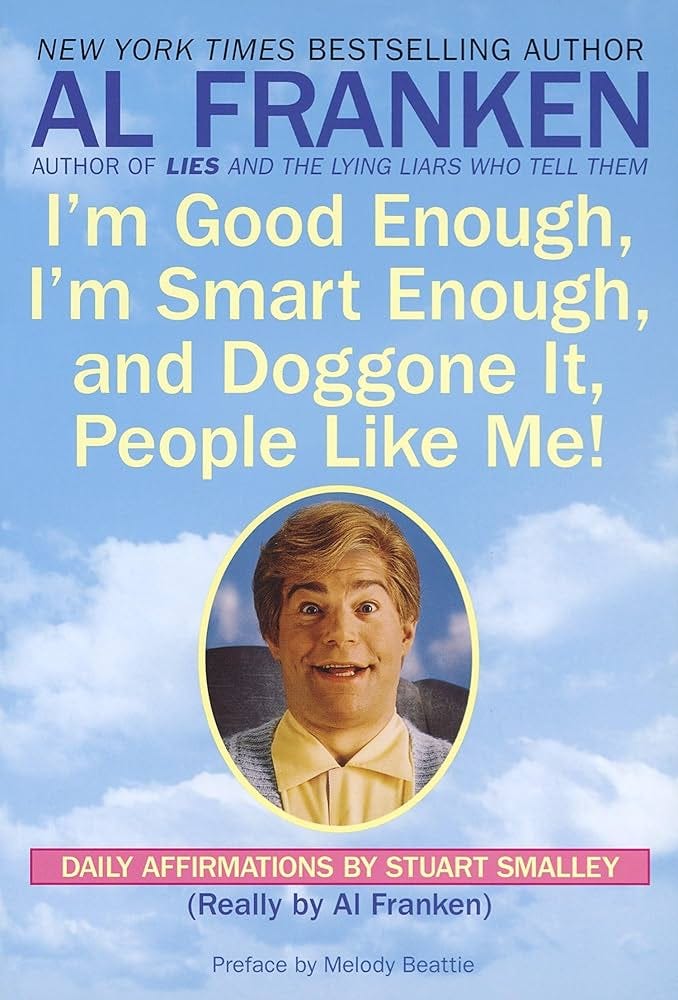
But I’m getting ahead of myself. Back to those diaries…
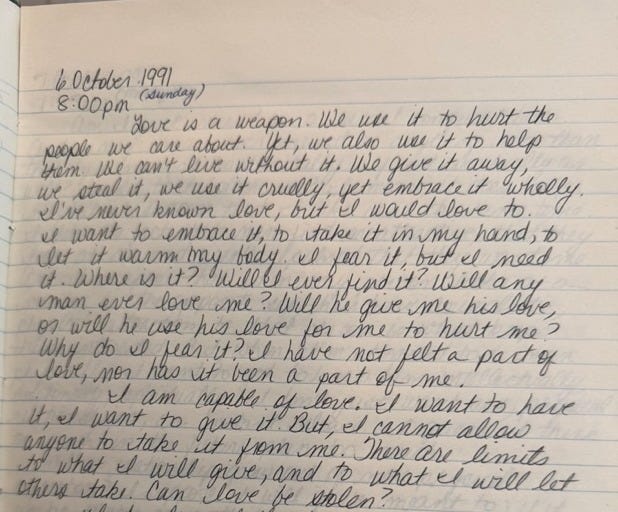
In leafing through them, I cringe at the posturing, and how I seemed to polish every word. It’s like I was writing for an audience seated in the VIP section of my mind, ready to pounce if things weren’t presented just-so. Almost as if I was terrified somebody would read every line (you know, before I posted it online all these years later) and then punish me for being bad or weird or whatever.
Born of Frustration
I guess some of that fear makes sense in the context of my childhood. I was the emotional one, frequently criticized for crying without cause and failing to be happy enough, grateful enough, ambitious enough. I was almost always doing something wrong, intentional or not, and then paying the price. (Who remembers getting smacked with belts or hairbrushes, or getting their mouth washed out with soap? Mine was clean as a fucking whistle, thanks be to Irish Spring.)
It probably didn’t help that my family often told me I was adopted. Of course they were only kidding, but I half expected some dark secret to be revealed when I took a DNA test not long ago. (Truth Hurts? I was 100 percent that bitch.)
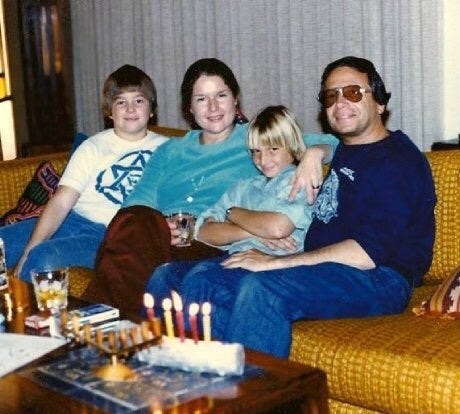
Bottom line: I struggled to fit in.
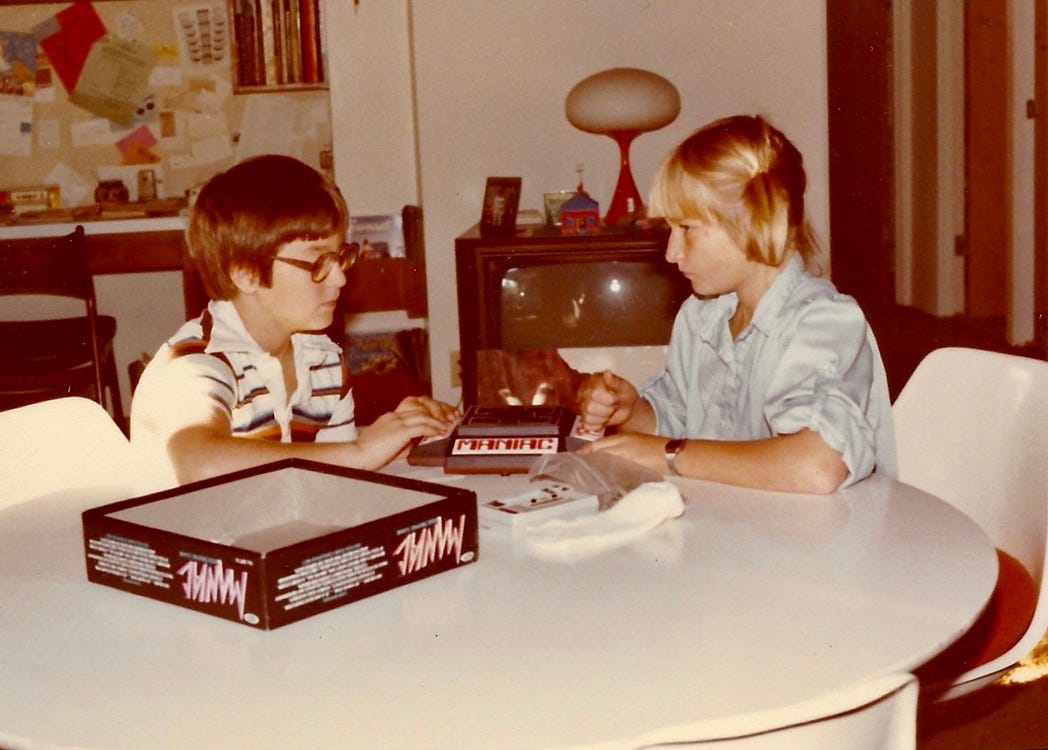
I have such clear memories of sitting around the white tulip table at dinnertime, practicing clever quips in my head. If I appeared smart or elicited a laugh, maybe I’d feel like a true member of the tribe (so to speak). While the news played on our tiny TV, I would furrow my brow and nod in agreement as my parents discussed war in the middle east and how the president was fucking everything up (amazing how times have changed).
When Wheel of Fortune came on, we competed to solve the puzzles, and I occasionally got one right. But, my stress levels skyrocketed during Jeopardy! I was desperate to get the answer in the form of a question, and don’t think I ever did. My brother, on the other hand, was like Alex Trebek with a bowl-cut, and Mom would cheer when he proved his intellectual prowess, praising him for being “the first-born of a first-born and a first-born.”
I was the surly little sister with “second sibling syndrome” (my mother diagnosed me with it at least once a week) — especially when I was being too sensitive or jealous. On one particularly dejected occasion, I went so far as to carve my brother’s name into our piano to get him in trouble. And it worked! Decades later, when I mentioned the incident in a birthday card, he said “I knew that was you!” I think he was legit mad I hadn’t copped to it earlier (though we do laugh about it, and so many other things, now).
Since I’d already been branded a little shit, I fully embodied my black sheep identity, stealing money from my mom’s (and the cleaning lady’s) purse, shoplifting, and doing my best impression of a juvenile delinquent. I also careened from one social identity to another: Cheerleader, honors student, theater geek, and everything in between. Most groups accepted me into the fold, but that sense of belonging still proved elusive. (I was crowned Class Clown and Biggest Chauvinist in the senior yearbook, which I guess sort of sums it up?)
No wonder I was plagued with insecurities and identity crises. How could I possibly know who I was when everything I did was a performance for somebody else’s gaze?
True Colors
Moving into adulthood, I made some progress. After graduating from college with honors, I headed to Hollywood and scored my dream job working for Capitol Records as a temp. Within a few months, my boss was so impressed with my dedication to even the tiniest of tasks that he replaced his two assistants with only me.
My self-confidence soared.
On top of getting paid to see bands like Radiohead and attend parties with The Beastie Boys, I discovered a kinship with my coworkers, bonding over the thrills and spills of early adulthood and independence. Around the same time, I did a somewhat controversial self-help seminar (another story for another time), where I connected with even more likeminded friends.
It all helped me find my voice. Or at least something that sounded like it.
Even my historically rocky relationship with my mom improved. At one Thanksgiving celebration, a few glasses of wine in, I bummed a cigarette from her and we stood out on the balcony, chatting about my childhood insecurities — inhaling my newfound awesomeness, exhaling my former awfulness.
She seemed proud. Or relieved. Or both. I know I was.
From there, I did my damndest to continue meeting or exceeding the expectations on some arbitrary report card of life, pretty sure I was putting my own unique stamp on it. Eventually, I checked off all the boxes, from career to marriage to motherhood. Along the way, I discovered hints of who I was and who I wanted to be, and cobbled them into a person I almost loved.
1 step forward, 3 steps back
Of course, there were plenty of ups and downs because life. Then, last fall, I hit an immobilizing wall of self-doubt, reducing me to the little black sheep at the early-80s dinner table.
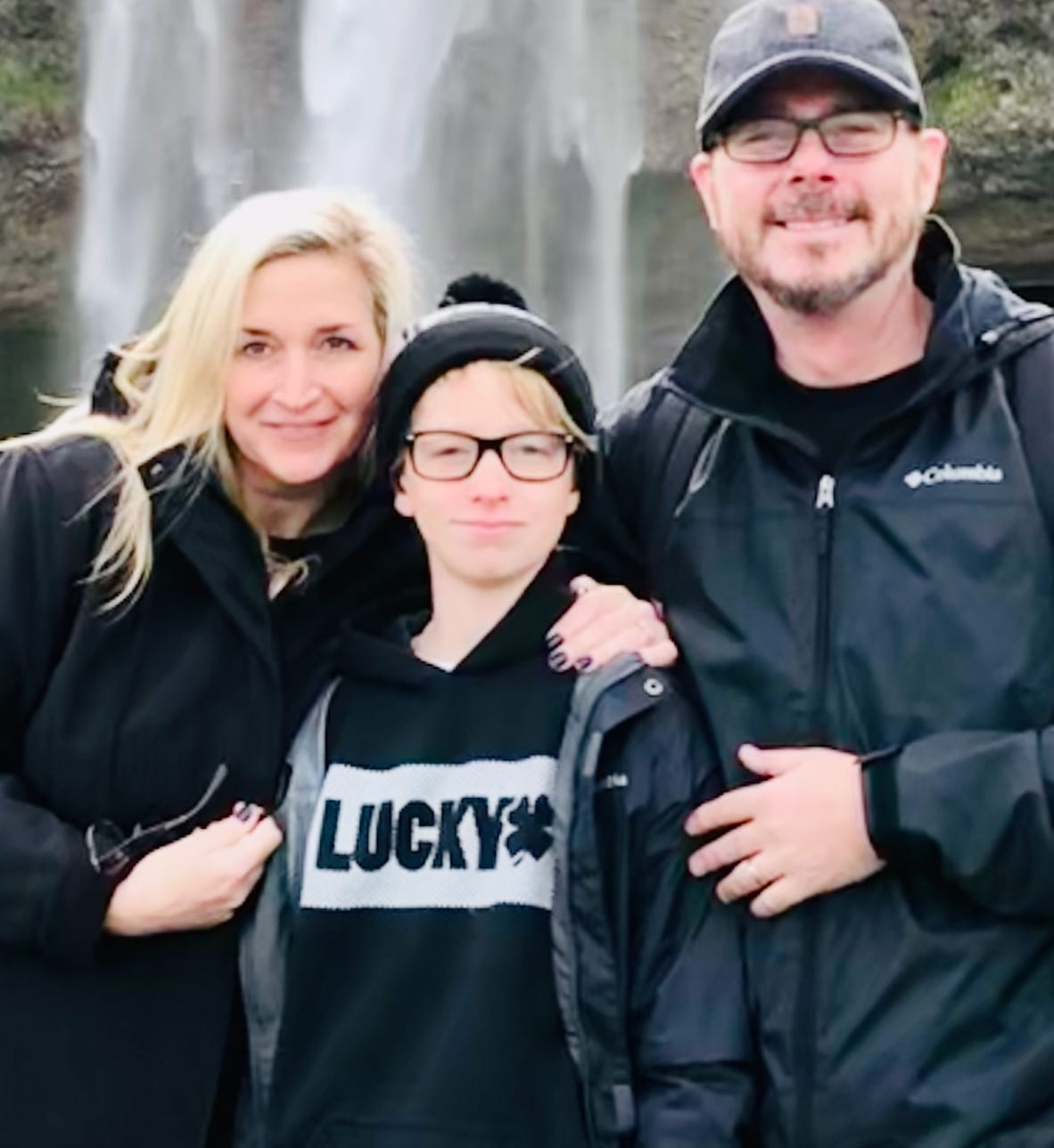
Perhaps it was inevitable. In the midst of post-pandemic perimenopause, my son graduated high school, got his private pilot’s license (totally normal for a kid to go from driver’s license to pilot’s license, right?), and moved out of state with his fiancee. Now full-blown empty-nesters, the husband and I began looking for areas to retire, or at least begin our next chapter. From Oregon to England, we came close to putting offers on houses, but ultimately opted to stay in our home of 20-plus years, at least for now.
These were mostly good things, sure, but also a bit of a midlife mindfuck. Especially when death factored into the equation. Along with my dad, several friends had recently passed away. Then, I began updating the will and trust documents, which still had my dead parents named as co-guardians of our son. As I sat there thinking through all my end-of-life wishes, the past 56 years came into focus. And it wasn’t flattering.
The scenes played out like a high-def horror movie: The crap I’d pulled as a kid, professional shortcomings, marital strife, parenting missteps, family rifts, lost friendships, roads not taken…
The list was endless, and I was convinced I was a failure in every sense of the word. I’d always been my own worst enemy, but this was some next-level self-loathing.
Come On Get Happy
At some point during this freakout, I asked my doctor to double my Prozac dose and searched for a therapist, ultimately booking a session with a millennial gay guy. Truth told, I chose him because he was the opposite of the old suburban women I’d met with before, who all seemed like mirror-images of … me.
Talking things through helped a bit. In addition to hilariously comparing my origin story to that of Wicked’s Elphaba, among other musings about musicals, my therapist offered the kind of compassion and validation I needed to stop spiraling.
Around the same time, I read a self-help book addressing “fawning” as an additional threat response alongside those other f-words (fight, flight, freeze…). I saw so much of myself in the chapters about people-pleasing, over-functioning, and playing different roles in order to feel accepted or keep the peace. Pop psychology FTW?
That’s when I began to feel like I might need a break from talk therapy. For me at least, it had started to feel like its own type of fawning. Maybe that was the reason it hadn’t helped much before? I was playing yet another role: The responsible adult who asked for help, showing up like a good student and bullshitting my way through it, just so I could get a pat on the head and return to the same old patterns.
About eight sessions in, I told my therapist all of this and tried to break up with him. After a few gentle nudges to stick with it (and the big question: “Are you sure you’re not just afraid to go deeper?”), he honored my request.
This felt like a victory. I said no to something that didn’t feel true to who I was or what I needed, and the world didn’t end!
High on my own boundaried supply, I proceeded to set more limits: I opted out of social plans if they didn’t sound appealing. I proposed smaller get-togethers, even in place of huge holiday gatherings. I wanted to actually talk with people instead of white-knuckling it through seating charts and side dishes.
Asking others to accommodate me was rough at first. I didn’t want anyone to feel like I was abandoning them or disregarding their own wants and needs. But there was very little pushback, and it continued to feel better and better. My nervous system was settling, and so was I.
Hungry for more, I asked a childhood friend about something I knew had helped her several years ago, especially with boundaries, and she referred me to an art journaling program. From the first workshop, I was hooked.
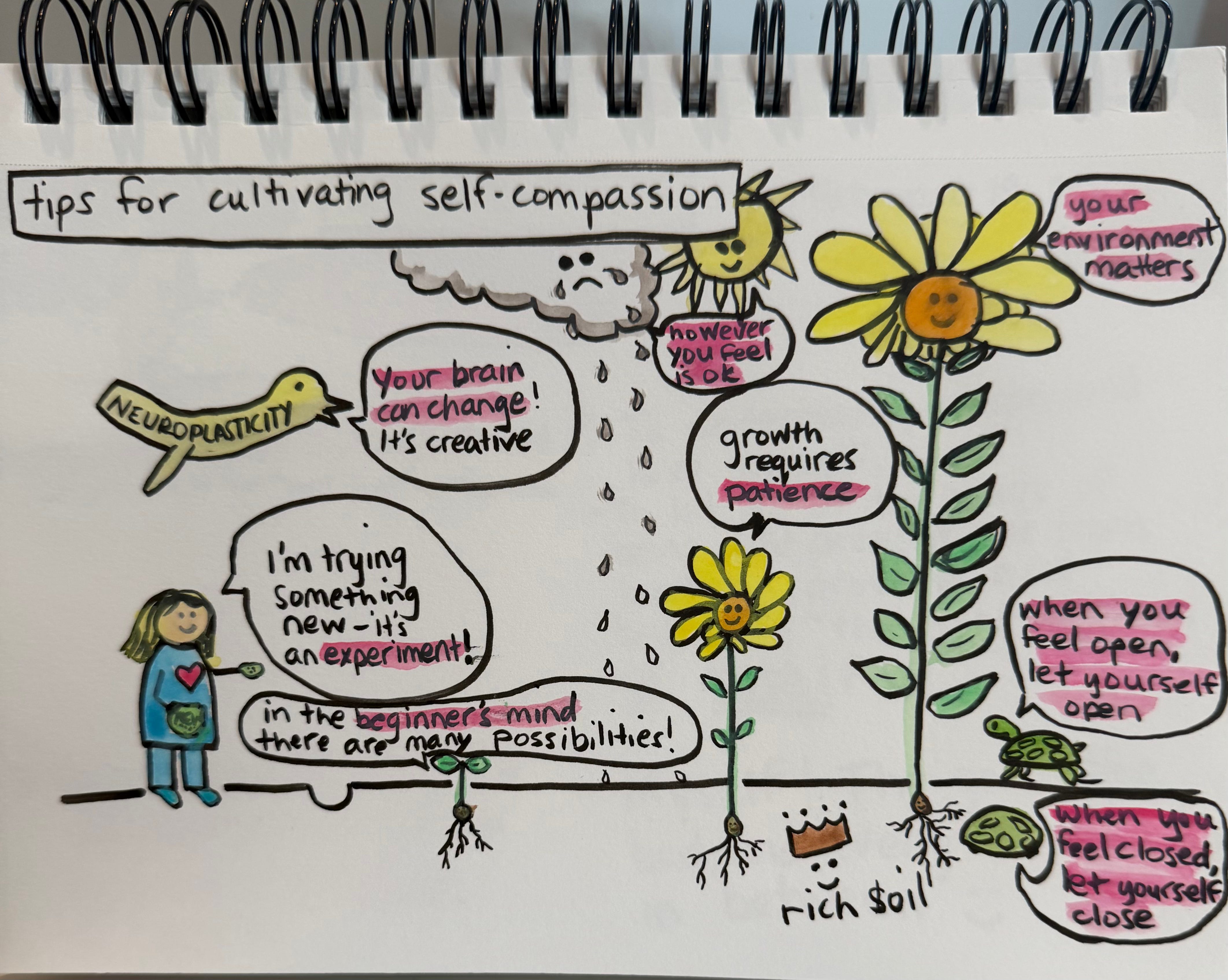
During one class, I had a major lightbulb moment. It focused on the work of Dr. Gabor Maté, who argues that when authenticity threatens attachment, attachment wins. Every time. I didn't need him to explain that to me — I'd been living it since family TV time. But something about hearing it spelled out hit me hard.
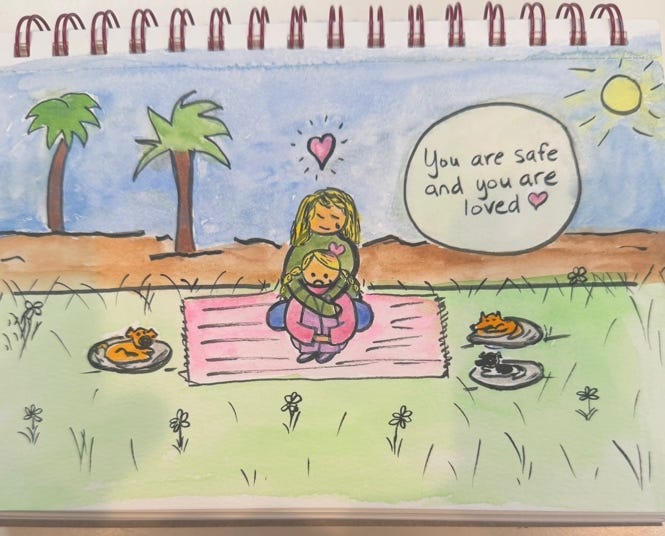
It was just one more piece of the existential puzzle I’ve been attempting to assemble, and one I probably won’t ever finish. (Does anybody?) At least, for now, I feel like I’m finally creating someone who looks a lot more like me — messy but still worthy of belonging — instead of performing a polished version of her.
On the page and off.
Performing to creating to allowing then on to being at some point perhaps? It's funny because authenticity can feel like such a powerful relief - like a real breakthrough to freedom - a horizon finally reached. And too, it can feel (to me) incredibly lonely. For to fully 100% be yourself, it requires shedding all the attachments. Which on the one hand like I said is freedom and a kind of ultimate pureness of existence. But those attachments can feel good - they can really coddle the soul. The sad, fearful, competitive child inside me wants to feel the warm protective embrace sometimes, even if it means setting aside that powerful soaring of the soul feeling. Great article. I expected funny, flippant, and from the 1970's memory bank, which was all there for sure, but coupled with the existential puzzling introspection, it delivered doubly! (there's a crumb for the performative self - haha).
Alexa, I really enjoyed this post. You articulated the performance trap so clearly in a way that resonates for a lot of people, including myself.
I like that you are treating your Substack space as “rehab.” We have all made the trade of authenticity for attachment and acceptance at some point in our lives. My trades began early in childhood because I saw it as a survival mechanism. The real work begins when we finally realize that we don’t have to make that trade anymore. Thank you for pulling back the curtain.